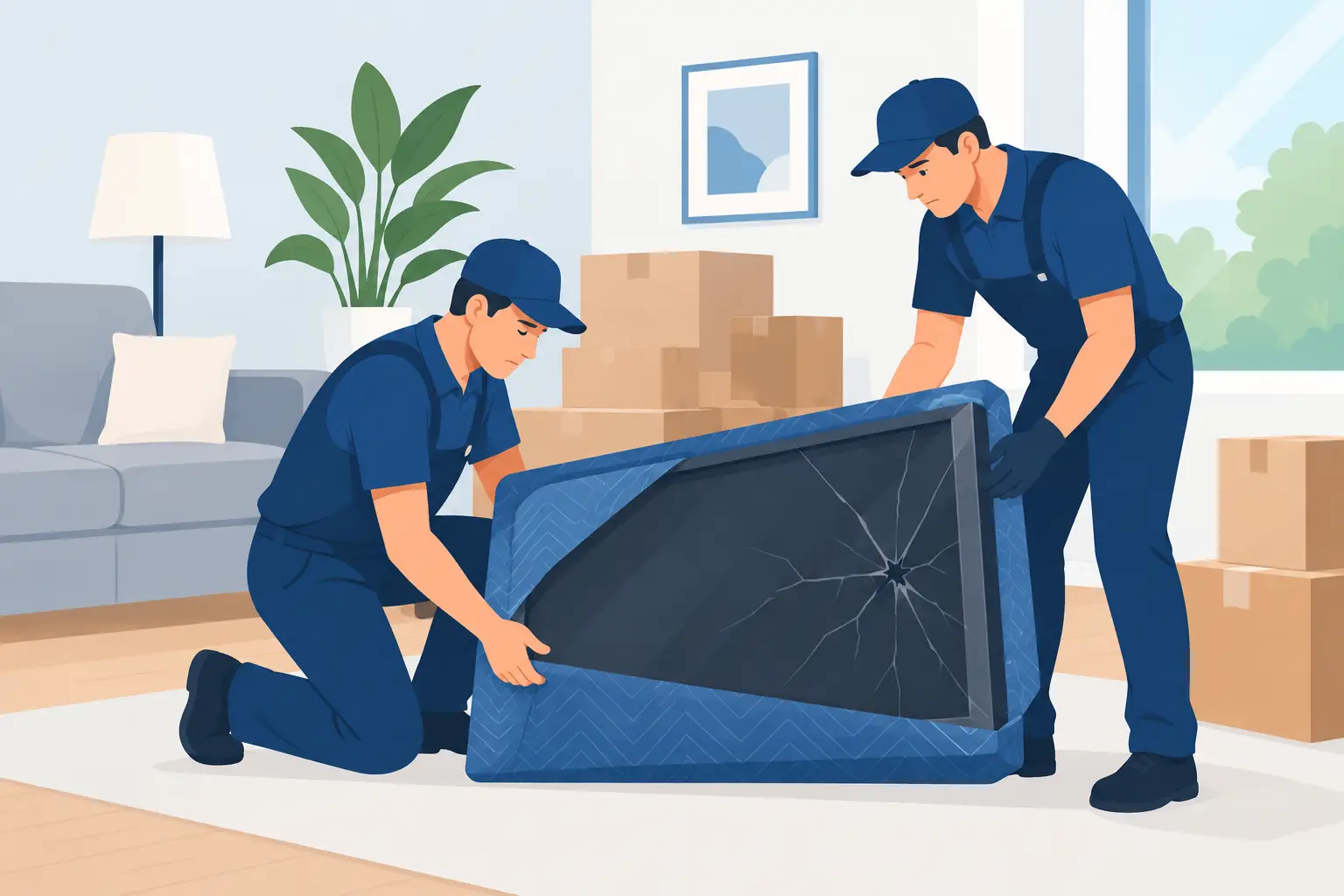
A sofa can be spotless for years and still pick up a tear in one rushed trip through a doorway. A solid wood dresser can survive daily use but suffer a deep corner dent when it shifts inside a moving truck. Knowing how to protect furniture moving between homes is less about buying every packing supply available and more about using the right protection at the right stage.
Furniture protection starts before the first item is lifted. Measure, wrap, secure, and load with a plan. Those few extra minutes can prevent damage that is far more difficult and expensive to repair after the move.
1. Plan the Path Before You Move Furniture
Walk the route from each room to the truck before moving large pieces. Measure narrow doorways, stairwells, elevator openings, hallways, and sharp turns. Compare those measurements with your largest items, especially sectionals, armoires, headboards, desks, and appliances.
Remove obstacles such as area rugs, wall decor, floor lamps, and loose shoes from the path. Open doors fully and protect vulnerable door frames if a large piece will pass close to them. This reduces the chance of scraped furniture, damaged walls, and unsafe lifting positions.
For heavy or awkward pieces, decide in advance whether they need to be disassembled. Taking the legs off a table or separating a sectional may add time at the beginning, but it usually creates a safer move and a more secure fit in the truck.
2. Clean and Inspect Every Piece First
Dust and grit can scratch furniture when covers or blankets rub against the surface. Wipe down wood, glass, metal, and upholstered pieces before packing them. Allow anything damp to dry completely, especially in Florida’s humid conditions, so moisture is not trapped under plastic or padding.
Take clear photos of high-value furniture before it is wrapped. Photograph existing scratches, worn areas, and fragile details. This gives you a useful record and helps you identify which pieces need extra attention.
Empty drawers, cabinets, and shelves whenever possible. A dresser that seems manageable in place can become unstable when drawers are full. Removing contents also prevents items from shifting, breaking hardware, or putting pressure on drawer slides during transport.
3. Disassemble What Makes Sense
Not every item should come apart. However, furniture with removable legs, shelves, glass panels, mirrors, or detachable hardware is often safer and easier to transport in separate, protected pieces.
Place screws, bolts, brackets, and small hardware in labeled bags. Tape the bag securely to the underside or inside of the corresponding furniture piece, not to a finished surface where adhesive may leave residue. For larger projects, label parts by room and item name, such as “primary bedroom bed frame” or “conference table legs.”
If you are disassembling a bed, take a few photos as you work. Those photos can save time during reassembly, particularly with adjustable frames, office furniture, and pieces that have similar-looking hardware.
4. Use the Right Furniture Protection Materials
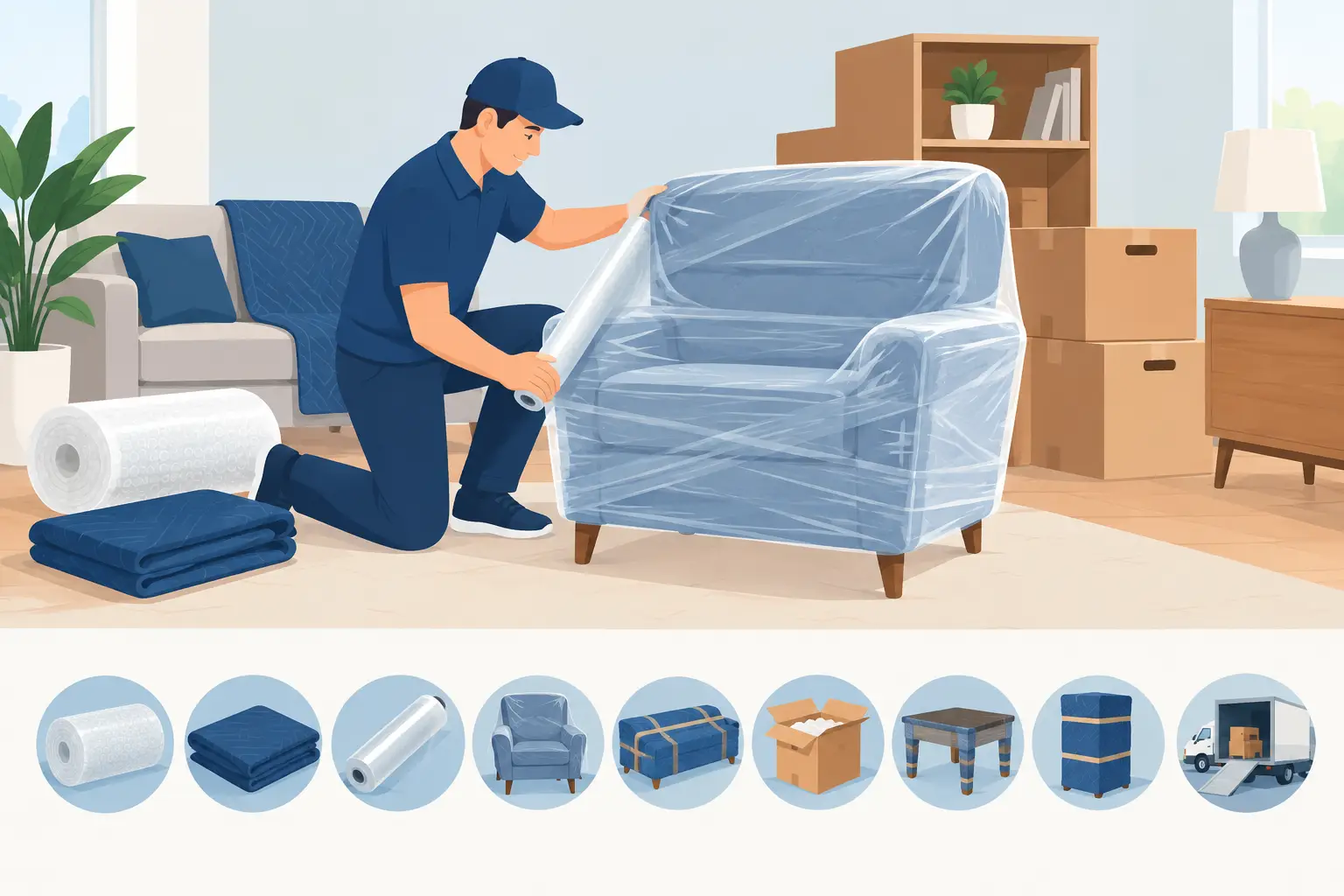
The best material depends on the surface and the risk involved. Moving blankets are the primary layer for wood, upholstered furniture, and painted finishes because they cushion against impact and friction. Stretch wrap helps hold blankets in place and keeps drawers or cabinet doors from opening. It should wrap around the blanket, not directly against delicate finished wood or leather for an extended period.
Bubble wrap is useful for glass, mirrors, carved details, marble tops, and fragile corners. Cardboard corner protectors help shield table edges, picture frames, and cabinets. Mattress bags keep mattresses and box springs clean during loading, storage, and delivery.
Use plastic wrap carefully. It can protect upholstered pieces from light dirt and moisture during a short move, but it can also trap humidity. For long-distance moves or storage, breathable padding and properly secured moving blankets are usually the safer choice for furniture that needs airflow.
5. Protect Wood, Glass, and Upholstery Differently
Wood furniture needs padded coverage on all sides, with special attention to corners, feet, and decorative trim. Place moving blankets over the piece, fold them around the edges, and secure them snugly without pulling so tightly that hardware or sharp edges press through the fabric.
Glass tabletops, mirrors, and framed artwork need a rigid layer in addition to cushioning. Cover the face with cardboard, wrap it with bubble wrap, and mark the package as fragile. These items should ride upright, never flat beneath heavy furniture, and should be secured so they cannot slide.
For sofas, recliners, and chairs, protect exposed wood feet and cover the upholstery with a clean furniture pad or bag. Recliners require special care because their moving parts can shift unexpectedly. Secure the mechanism according to the manufacturer’s guidance and never lift a recliner by its footrest or armrests alone.
6. Protect Floors, Doors, and Walls Too
Furniture protection is not only about the item being moved. Hardwood, tile, and vinyl floors can scratch when furniture is dragged or when small debris gets caught beneath a moving pad. Use floor runners, cardboard pathways, or clean protective coverings in high-traffic areas.
Furniture sliders can help move heavy pieces across smooth flooring, but they are not a substitute for proper lifting. They work best for short, controlled repositioning, not for pulling a loaded dresser across a room. If a piece is exceptionally heavy, use equipment designed for the job, such as a furniture dolly with straps.
Door jambs and stair rails are common contact points. Assign one person to guide corners through tight spaces while the other lifters move slowly and communicate. “Stop,” “turn,” and “down” should be clear instructions, not last-second guesses.
7. Lift Safely and Use Proper Equipment
Most furniture damage happens when a piece is dropped, tilted too far, or bumped because the people carrying it lose their grip. Lift from sturdy structural points, keep the load close to your body, and use your legs instead of your back. Never rely on drawers, handles, decorative trim, or removable legs as lifting points.
A dolly, shoulder straps, appliance hand truck, and furniture pads can make a major difference, but only when used correctly. Secure the item to the dolly before moving it. Keep the path clear, move at a controlled pace, and avoid placing heavy furniture on an uneven ramp without enough help.
This is where professional movers provide real value. Trained crews know how to manage awkward angles, protect entryways, and handle heavy pieces without turning a tight staircase into a damage risk.
8. Load the Truck in a Stable Order
A well-packed truck protects furniture throughout the drive. Load the heaviest, sturdiest items first, placing them against the truck walls and toward the front of the cargo area. Keep weight balanced from side to side. Mattresses, sofas, and large padded pieces can create a protective wall around more delicate furniture when positioned correctly.
Do not stack boxes directly on upholstered furniture or wood surfaces unless there is a stable, padded barrier between them. Keep glass, mirrors, and fragile components upright and wedged securely. Use moving straps or tie-downs to stop furniture from shifting when the truck turns or brakes.
Avoid leaving open gaps. Even a well-wrapped dresser can be damaged if it has room to slide several inches during transit. Fill small spaces with secured boxes, pads, or other stable items, but do not force items into a position that puts pressure on delicate surfaces.
9. Unload With the Same Care You Used to Pack
Damage can happen at the destination when everyone is tired and focused on finishing quickly. Before unloading, clear a path in the new home and decide where major pieces belong. This limits unnecessary carrying and reduces the temptation to drag furniture across floors.
Remove blankets and wrapping only after each item is in its final room. Inspect furniture as you go, then reattach legs, hardware, shelves, and doors carefully. Give wrapped wood and upholstered pieces time to air out if they were exposed to heat or humidity during the move.
For families and businesses in Daytona Beach, Orlando, and surrounding Central Florida communities, a full-service moving team can handle packing, disassembly, protective wrapping, loading, and reassembly as one coordinated process. Safe Hands Relocation approaches each move with the preparation and accountability needed to keep furniture protected from the first room to the final placement.
The goal is not simply to get furniture from one address to another. It is to arrive with the pieces that make your home or workspace feel complete, protected and ready for the next chapter.