A move across Port Orange can look simple on paper: a new lease, a closing date, a few miles between addresses. The work becomes real when furniture must fit through doorways, fragile items need protection, and move-out deadlines leave little room for delays. Choosing local movers Port Orange residents can depend on gives you more than extra hands. It gives you a clear plan for getting from one home or office to the next.
The right moving team helps control the details that cause the most stress: arrival timing, packing needs, furniture handling, storage between dates, and a final bill that matches the estimate. Whether you are moving from an apartment near the river, relocating your family to a new neighborhood, or transferring an office, preparation and professional support make a measurable difference.
What Local Movers in Port Orange Should Handle
A local move is not defined by how little you own. A studio apartment can require careful coordination when there are stairs, limited parking, or a tight building access window. A larger household may involve heavy furniture, specialty pieces, multiple rooms, and a schedule built around work, school, or a real estate closing.
Professional movers should begin by understanding the scope of the job. That includes the number of rooms, access at both locations, large or delicate belongings, and whether packing or storage is needed. An accurate conversation before moving day prevents the common problem of discovering extra labor, equipment, or time requirements after the truck arrives.
For most residential moves, dependable service includes loading, transport, unloading, and placement of furniture and boxes in the rooms you choose. Full-service support can also include packing, partial packing for breakable items, furniture disassembly and reassembly, and storage when your dates do not line up exactly.
Commercial moves require the same discipline with a different priority: keeping business disruption under control. Office furniture, computers, files, inventory, and equipment should be handled according to a sequence that supports a faster restart at the new location. A moving company should be prepared to coordinate around building rules, elevator reservations, and the operating hours that matter to your team.
How to Choose Local Movers Port Orange Residents Can Trust
Price matters, but it should not be the only deciding factor. A quote that seems appealing at first can become expensive if it leaves out packing materials, travel time, stair carries, long carries, storage, or other necessary parts of the move. Ask for a clear explanation of what is included and what could change the final cost.
Licensing and accountability matter just as much. A legitimate moving provider should be willing to discuss its credentials, service process, insurance options, and how it handles claims or concerns. Customer reviews can be useful when they describe specifics such as punctuality, careful handling, communication, and whether the final service matched what was promised.
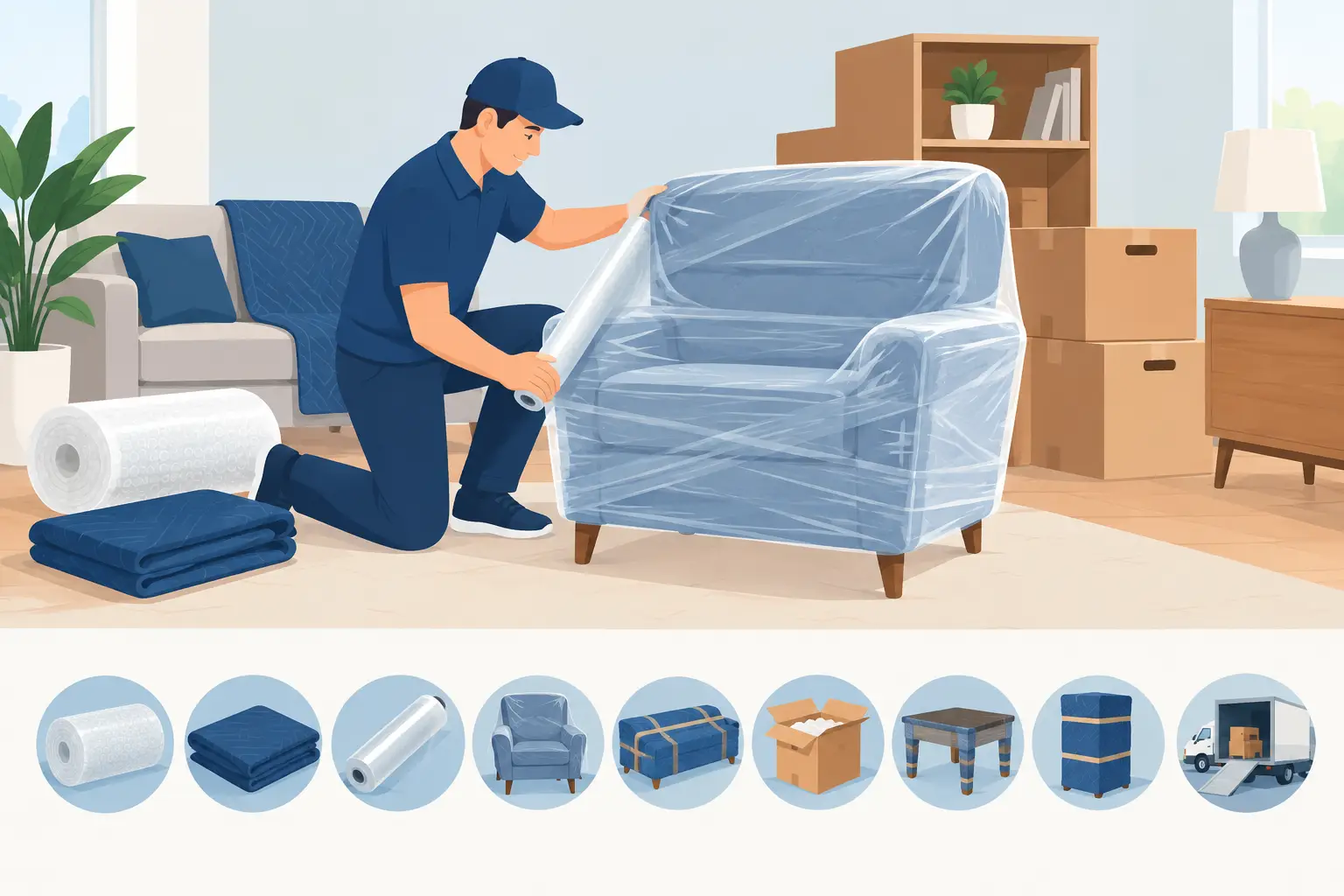
It also helps to ask who will actually perform the move. A trained, professional crew is better equipped to protect floors, door frames, furniture, and fragile belongings while working efficiently. For families and business owners, knowing that the team has a defined process offers peace of mind that cannot be captured by a rate alone.
Safe Hands Relocation brings a family-owned, veteran-led approach to moves throughout the area. The focus is straightforward: trained movers, transparent pricing, and practical services that reduce the number of vendors and decisions you have to manage.
Ask about the plan, not only the truck
A capable mover can explain what will happen before, during, and after moving day. Before the move, that may include a walkthrough or detailed inventory discussion, an estimate, and guidance on packing. On moving day, it includes a confirmed arrival window, protection for key items and surfaces, organized loading, and communication if conditions change.
After arrival, the crew should place items where they belong rather than leaving you with a room full of boxes and furniture. If your move includes storage, ask how pickup, access, and redelivery are handled. Some customers need a short bridge between homes; others need more flexibility while they finalize plans. The best option depends on your timeline, not a one-size-fits-all package.
Build a Move Plan Around Your Real Timeline
Moving day usually goes better when decisions are made early. As soon as you have a likely date, begin identifying what must move, what needs special care, and what can be packed ahead of time. Even if your date is not final, an early conversation with a mover can help you understand availability and avoid a rushed booking.
Start with the items you use least often. Seasonal decor, books, extra linens, and items from storage areas can be packed well before the final week. Keep a separate set of essentials for the first night: medications, chargers, basic toiletries, important documents, pet supplies, and clothing. That small amount of organization prevents a long search through labeled boxes after an exhausting day.
You should also measure large furniture and note tight access points. A sectional sofa, oversized dresser, or large dining table may need to be disassembled to move safely. Mention these items during the estimate process so the crew arrives prepared with the appropriate tools and time.
If you live in a community with a homeowners association, apartment management office, or controlled entry, confirm moving rules in advance. Some properties require certificates of insurance, designated loading areas, elevator reservations, or specific hours for moving activity. These requirements are normal, but waiting until the truck is outside can create avoidable delays.
Packing Choices That Protect Your Belongings
Packing everything yourself can reduce upfront service costs, but it requires time, materials, and careful labeling. This option works well for customers who can prepare over several weeks and have standard household items. It may be less practical when the move is happening quickly, when work schedules are demanding, or when there are many fragile belongings.
Partial packing is often a practical middle ground. You pack clothing, books, and everyday items, while professional movers handle dishes, glassware, artwork, mirrors, electronics, or other delicate pieces. Full packing provides the greatest convenience and can make sense for larger homes, busy families, corporate relocations, or moves with limited preparation time.
Whichever option you choose, label boxes by room and include a short description of the contents. Mark fragile boxes clearly, but do not overload them. Heavy items belong in smaller boxes, while lighter items can go in larger ones. Keep valuables, critical paperwork, and items you need immediately with you rather than placing them on the moving truck.
When Storage Makes a Local Move Easier
Storage is useful when your move dates are not perfectly aligned. A home sale may close before the new property is ready. A lease may end before a renovation is complete. An office may need to clear one space before the next location is available.
Using one provider for moving and storage can simplify coordination because the same team understands your inventory and delivery schedule. Ask about the length of storage included, whether redelivery is part of the service, and how your belongings are inventoried and protected. Clear answers give you a better sense of both cost and control.
For some moves, storage is unnecessary and adds an extra handling step. If you can move directly from one address to the next, direct delivery is usually the simplest route. The right recommendation should reflect your dates, access, and priorities rather than pushing services you do not need.
Make Moving Day Easier on Everyone
On moving day, keep walkways clear and reserve parking as close to the entrance as possible when permitted. Set aside items that are not going with the movers, and make sure children and pets have a safe, low-traffic place to stay. A quick walkthrough with the crew before loading helps confirm priorities and identify items requiring extra attention.
At the new location, direct furniture placement before boxes begin filling the rooms. It is much easier to position a bed frame, desk, or dining table in an open space than after the room is crowded. If possible, have a basic floor plan or a few placement decisions ready before the truck arrives.
A well-managed move does not depend on luck. It comes from clear expectations, careful preparation, and a moving team that treats your time and belongings with respect. When your next move is approaching, choose support that lets you focus on settling into the new space instead of managing every logistical problem alone.